
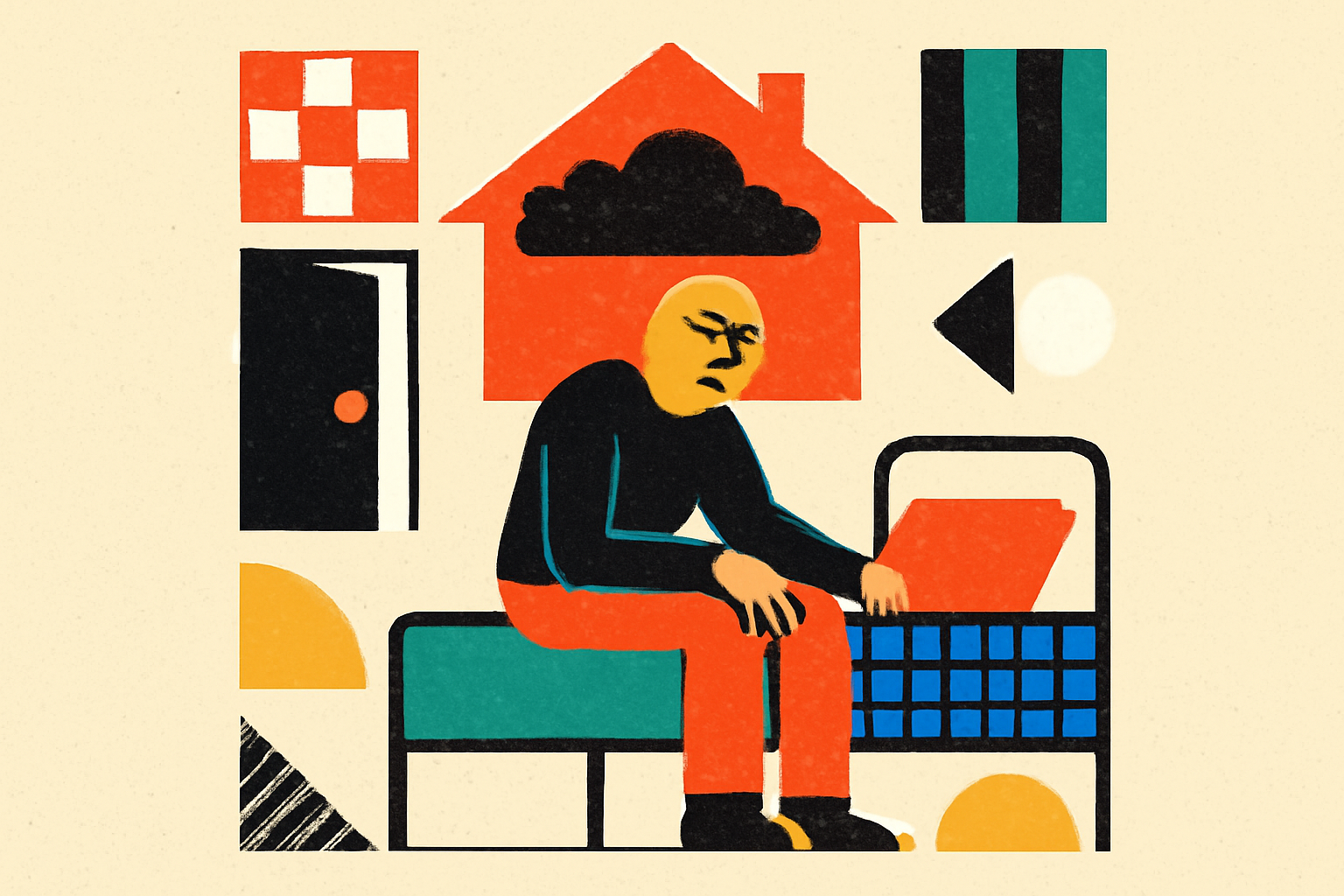
A common misconception about the digital nomad lifestyle is the perception of continuous luxury. While staying in various hotels may appear glamorous, it often lacks the stability and homely comfort that many seek. Living out of suitcases, dealing with constant check-ins and the impersonal nature of hotel environments can lead to feelings of rootlessness. Such transient accommodations, despite their amenities, provide little sense of community or permanency, often leaving individuals feeling unanchored.
Being a digital nomad requires an adaptation to a perpetual state of movement, which can become taxing both mentally and emotionally. The isolation can be exacerbated by the lack of a stable personal space, which is fundamental to personal wellbeing. Hotel living may also lead to a sense of disconnection due to the absence of meaningful social interactions typically found in more permanent residential settings.
In addition, the constant transition between different environments can disturb daily routines, making it challenging to maintain a balanced lifestyle. This unsettled existence often demands significant emotional resilience and adaptability. The nomadic lifestyle, while offering flexibility and adventure, simultaneously demands a reevaluation of personal definitions of home and community.